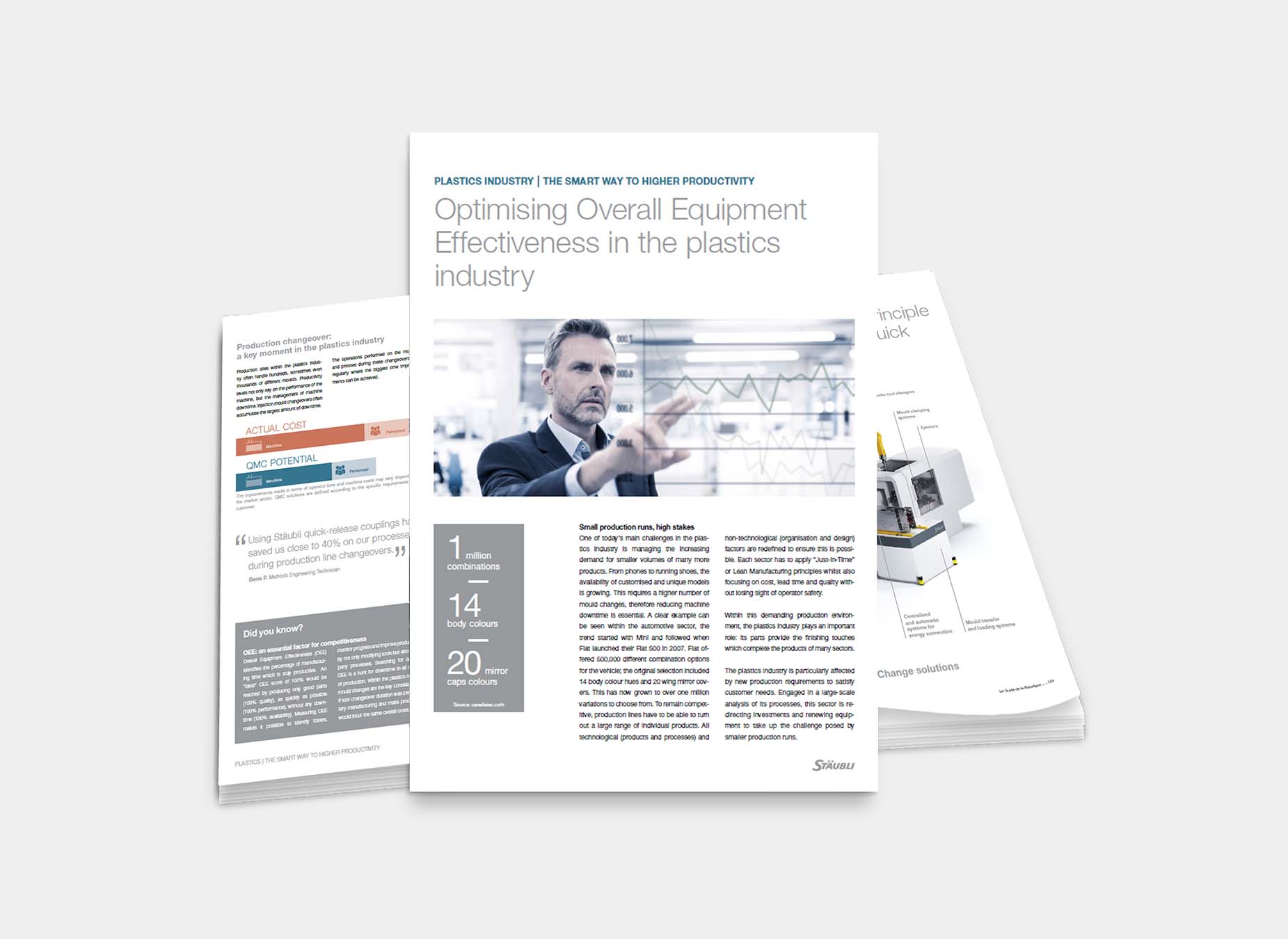
Regularly, we share a new exclusive insight from the plastics industry—whether it’s an expert perspective, a deep dive into a key technology, or a spotlight on one of our latest innovations. Explore this curated content to stay ahead of trends, gain practical knowledge, and better understand the solutions shaping tomorrow’s production environments.

EMBRACING SMED PRINCIPLES

Staying ahead with enhanced efficiency and productivity


Tim Boyce 
Local Business Head for Plastics & QMC

Do you want your own SMED Analysis?

There is intense competition in industrial sectors as companies strive to cut costs and boost productivity. The plastic injection molding sector seeks these improvements too, aiming to equip technicians with the tools and tech that lessen machine downtime and raise profits. We can identify opportunities for significant enhancements in your molding processes. SMED, or "Single-Minute Exchange of Die," initially developed for quick die changes in stamping machines, is now used for streamlining setups across various changeover processes. In this interview, we talk with Tim Boyce, one of our Local Business Heads, who tells us more about adopting the SMED principles.

What are the primary goals of the SMED process?

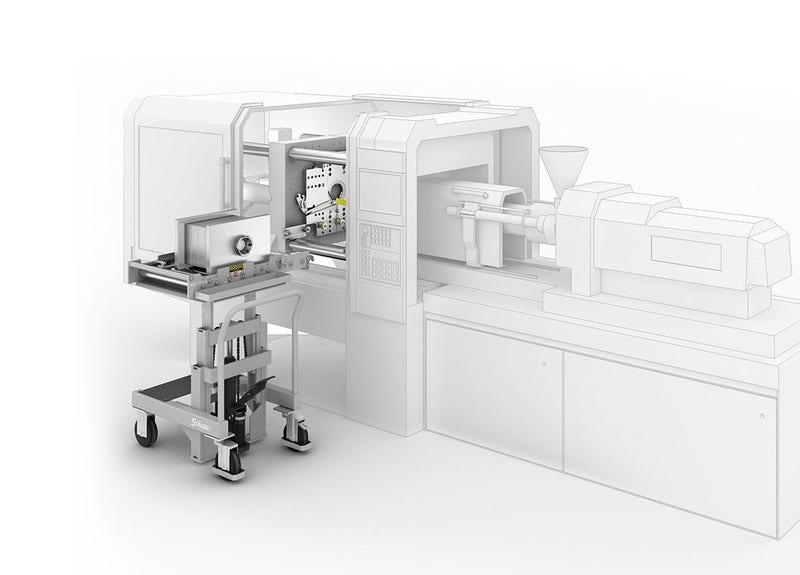
The acronym SMED, which stands for Single-Minute Exchange of Die, is a process which is primarily aimed at dramatically reducing the time it takes to complete mold product changeover operations. In environments such as the automotive supply chain, where there are multiple product types being produced, and where injection mold companies are seeking to maximise machine utilisation, SMED is a valuable tool to minimise the time between the last good part from one mold and the first good part from the new mold.

Are SMED principles suitable for all injection molding companies?

Although in many cases the prime objective of SMED is that of downtime reduction, the overall methodology of lean manufacturing, which includes  continuous improvement, building in quality, error prevention and eliminating waste are all principles which can be adopted by any injection molding company. For example, establishing standardised processes, which enhance process stability, are important factors for molders operating within the medical sector. In instances such as these adhering to established principles which will promote mold certification and product traceability are just as important, if not more so than just saving time during mold changeover.

Are there any pre-requisites which companies should consider before initiating the implementation of a SMED strategy?

A key pre-requisite for any business considering the implementation of SMED is ensuring that they fully understand all of the individual steps in their process and most importantly, any variability within them. It may be the case that the perceptions of how one or more processes are performed differs from the reality on the shop floor. For SMED to deliver the anticipated benefits, it is essential that businesses first eliminate the process variables and establish a standardised approach. Only then can a comprehensive SMED analysis highlight the specific changes which will deliver the anticipated benefits. 

What advice would you give to companies considering the adoption of SMED principles?

Although many molding companies will set out with the initial objective of undertaking a comprehensive SMED analysis and implementing all SMED principles, it may be the case that making just a small number of changes in the right areas will deliver significant benefits to process stability, efficiencies, quality, and productivity. The key to achieving this is to work with an industry partner who can readily identify a cost-effective solution tailored to the specific needs of the individual customer.

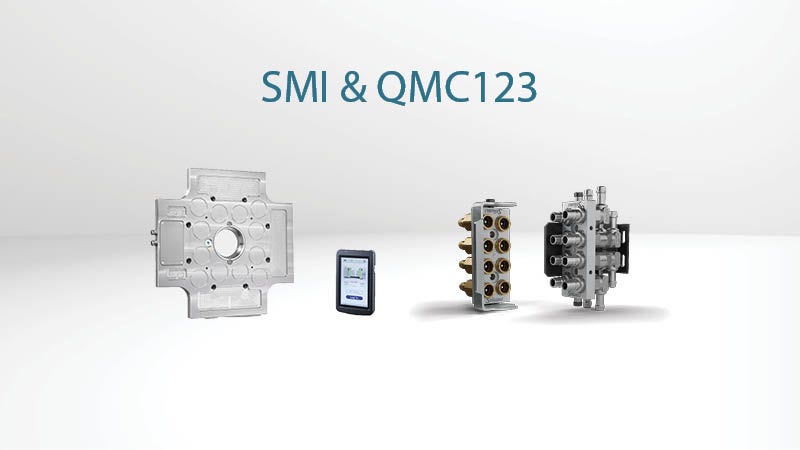
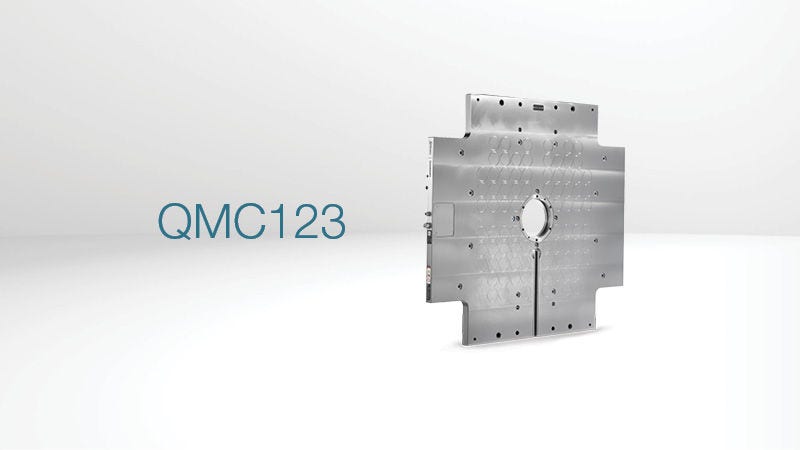
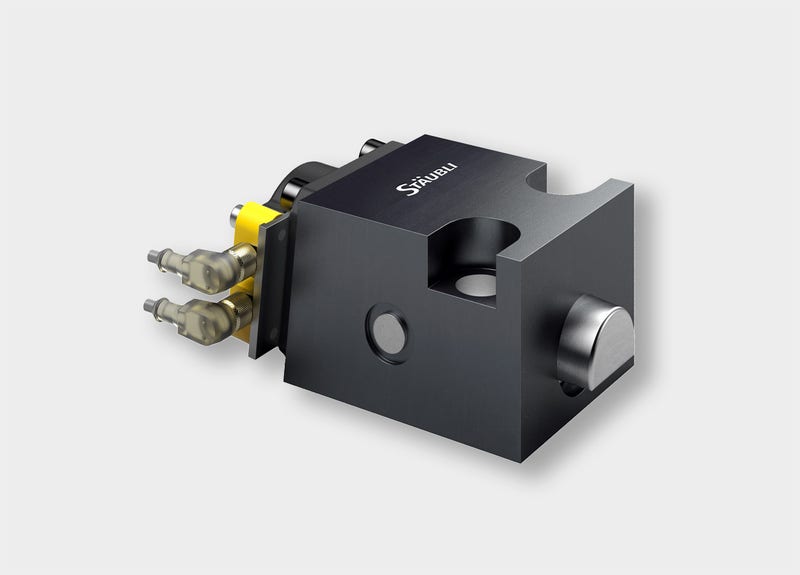
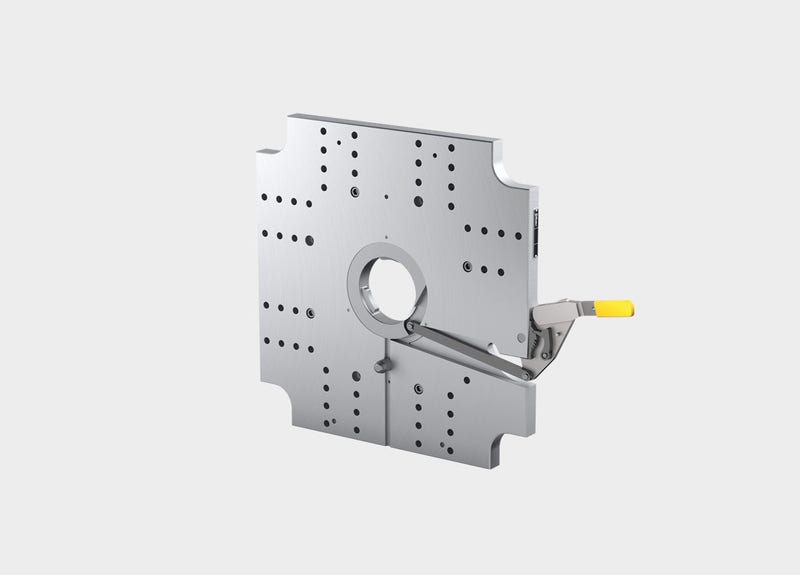
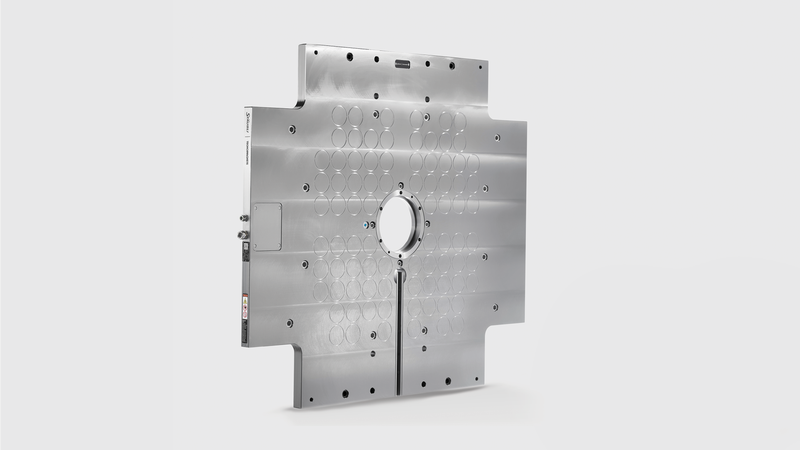
With extensive expertise across all areas of injection molding from mold inspection, mold clamping, mold connections and mold loading, Stäubli has unrivalled expertise within the plastics sector. By drawing upon this knowledge, customers will be guided to the optimum solution for their needs at that time. In the first instance, this may be as simple as the adoption of multi-connector technology, which in itself not only reduces the time needed for mold changes, but also enhances operator ergonomics and safety whilst eliminating the potential for circuit inversion. A further step may be the implementation of magnetic mold clamping technology. These steps, combined with the organisational improvements gained from eliminating process variability and implementing standardised procedures, will deliver significant benefits in the short term, with the potential for further improvements in the future which can then lead to the business achieving all of their initial SMED objectives in a coordinated manner with expert support at each stage in the process.

Request your personalized SMED Analysis!

Contact our team for your own SMED Analysis in order to reduce your downtime.

Policies

Sorry, we encountered a technical issue. Please try again.

check-confirm

Thank you for completing the form! We will contact you soon.

Our plastics solutions range

Optimize your productivity and unlock faster, safer mold changeovers with Stäubli’s comprehensive Quick Mold Change (QMC) portfolio. Engineered for precision, reliability, and repeatability, our solutions support seamless integration into any injection molding environment.

Explore the full range of QMC technologies below and find the ideal combination to boost efficiency, improve uptime, and elevate the performance of your production line.