Regularly, we share a new exclusive insight from the plastics industry—whether it’s an expert perspective, a deep dive into a key technology, or a spotlight on one of our latest innovations. Explore this curated content to stay ahead of trends, gain practical knowledge, and better understand the solutions shaping tomorrow’s production environments.

PUTTING PEOPLE FIRST

Improving ergonomics and safety in plastics manufacturing with QMC123 mold magnetic clamping

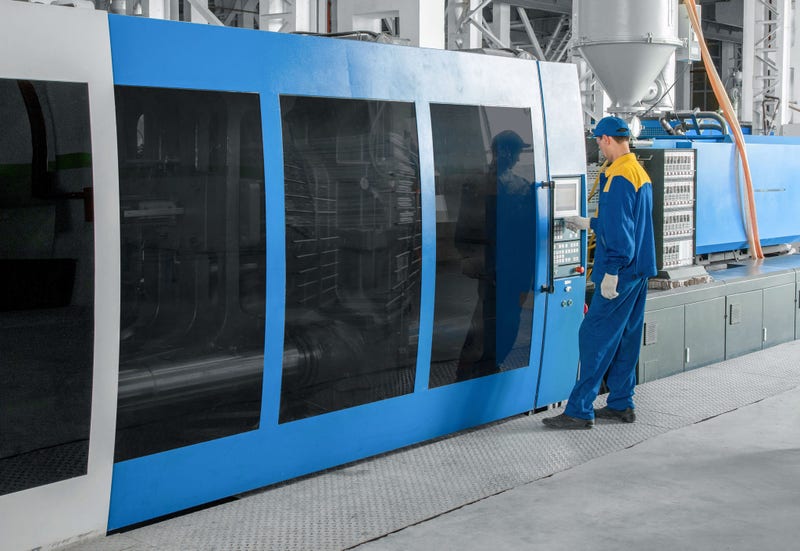
Mold changes in plastics manufacturing demand a precise balance: speed, reliability, and safety – without adding complexity for the operator.


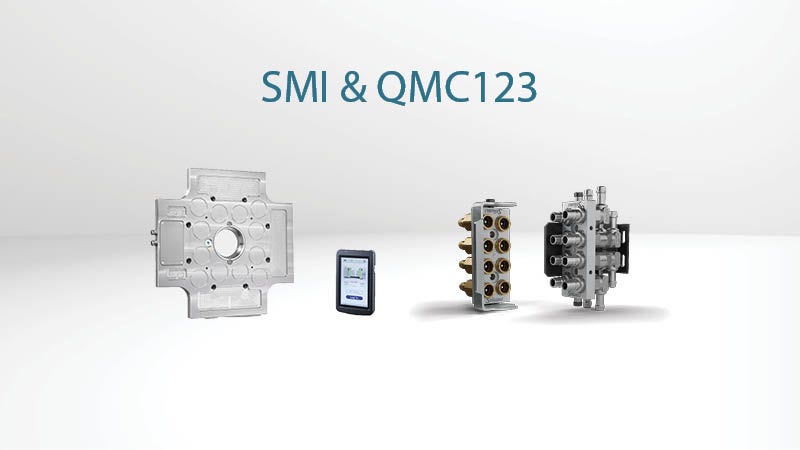
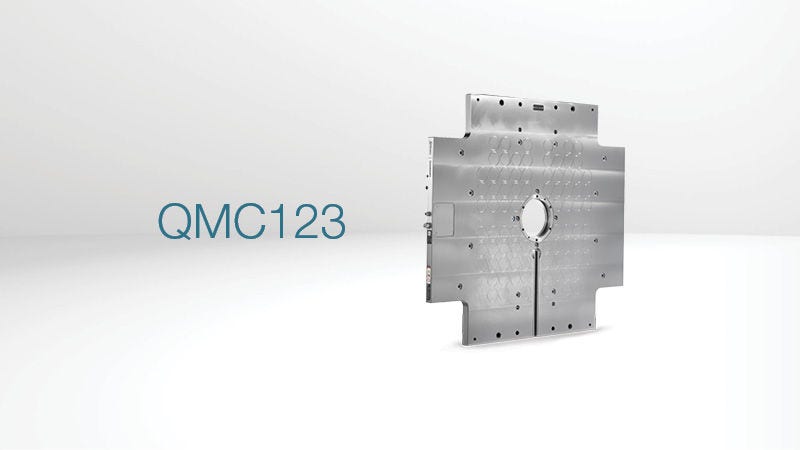
Stäubli’s QMC123 magnetic clamping system was designed with exactly these priorities in mind. Building on the proven reliability of its predecessor, QMC123 introduces enhanced safety features, smarter force calculations, and a redesigned interface. More than just an upgrade, it’s a rethink of what makes mold changes efficient and operator-friendly.

Engineered for production realities

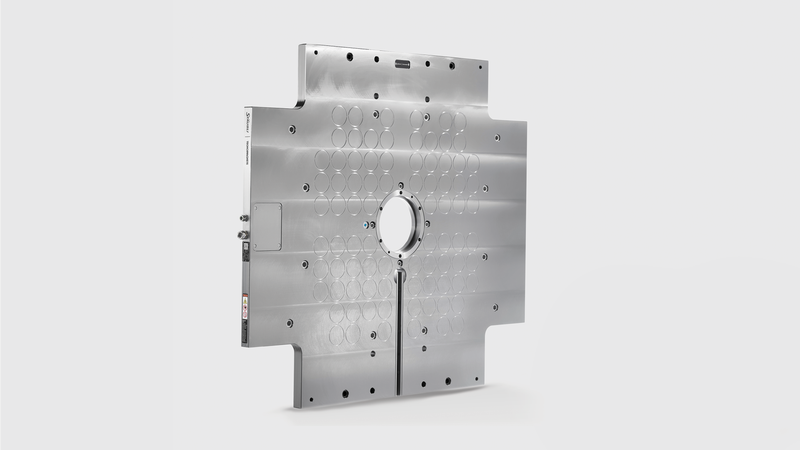
The QMC123’s magnetic plate is designed to withstand the demanding conditions of injection molding production. The solid steel monobloc front face offers superior resistance to shocks and impacts, while minimizing potential entry points for liquids. This structural reinforcement addresses known vulnerabilities in earlier systems, helping reduce wear, corrosion, and electrical faults.

Each plate is custom-built for the specific machine and mold setup. This structural flexibility allows the system to handle a wide range of mold sizes, without requiring mold modification. By focusing on durability and adaptability, QMC123 helps reduce unplanned stoppages and extend the lifespan of both the system and the molds.

Multi-step control for reliable clamping

To ensure safety and performance, Stäubli uses a layered validation process. Prototype models undergo rigorous in-house testing to establish baseline metrics. During operation, the system runs automatic checks designed to protect both people and equipment:

  • Current control, to confirm the power network can support safe magnetization;
  • Magnetic flux detection, to verify that the mold is in full contact with the plate, without air gaps or misalignment;
  • Force calculation, to assess whether the setup delivers the necessary clamping strength.

If any of these thresholds aren’t met, the system halts operation and alerts the operator via visual and audible alarms – preventing unsafe conditions that could lead to mold damage, machine failure, or injury.

Background monitoring continues during active cycles, including mold movement detection, contour analysis, and temperature control. If a mold shifts due to vibration or wear, or if temperatures rise beyond safe levels, the system detects the issue and either triggers an alarm or initiates corrective action, such as demagnetization or shutdown.

For especially complex or non-standard molds, Stäubli also offers simulation support. Customers can share their mold specifications for pre-validation, helping identify potential risks before production begins.

A smarter interface for faster, safer decisions

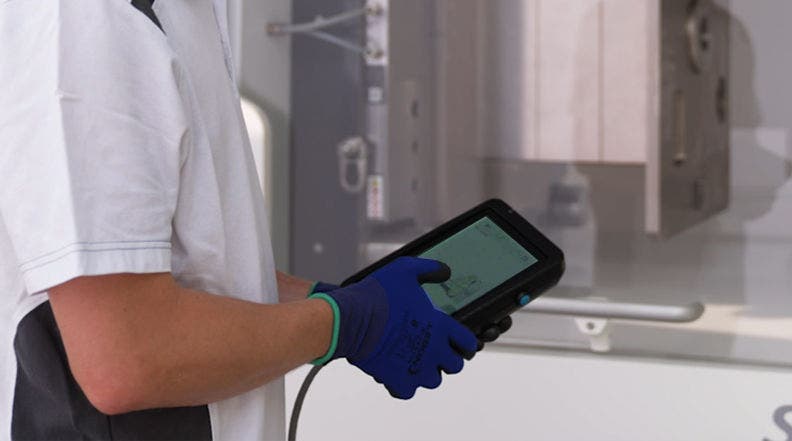
The QMC123’s interface (HMI) has also been redesigned with the human experience in mind, with a new touchscreen interface that replaces earlier mechanical buttons and small displays. Operators now benefit from a consistent, intuitive interface that supports faster training, smoother handovers, and quicker interventions.

Operators can view historical operations, check system status, and input mold data in bulk, significantly reducing setup time. If an error occurs, it’s now easier to identify whether it was a setup issue, system safeguard, or manual input mistake. For OEM partners, QMC123 also integrates directly into the machine’s main interface, ensuring that safety alerts and system updates are clearly displayed where operators expect them.

The human factor in innovation

QMC123 is designed to make mold changes faster and safer – but only if every feature works seamlessly in real conditions. If too much time is spent navigating menus or re-entering data, the system risks falling short of its goal. That’s why routine tasks are automated, and user interaction is kept simple and intuitive.

The system is also continuously evolving. Feedback from customers feeds directly into product updates, supported by close collaboration between the software, electronics, and support teams to ensure every improvement is grounded in actual production needs.

For example, insights gained from incidents, such as a mold slipping due to incorrect setup, are analyzed to refine force calculations and detection algorithms. Each edge case becomes an opportunity to improve system responsiveness – and ultimately, to raise the bar for safety.

Designed for reliability, built for people

The QMC123 magnetic clamping system brings together durability, high-performance, and human-centered design in a single, integrated solution. With its modular design, advanced validation logic, and intuitive interface, QMC123 delivers peace of mind – built on the experience and expertise of the Stäubli team.

Learn more about the QMC123 magnetic clamping system

Our plastics solutions range

Optimize your productivity and unlock faster, safer mold changeovers with Stäubli’s comprehensive Quick Mold Change (QMC) portfolio. Engineered for precision, reliability, and repeatability, our solutions support seamless integration into any injection molding environment.

Explore the expertise of Stäubli in the plastics industry, the technologies below, and find the ideal combination to boost efficiency, improve uptime, and elevate the performance of your production line.

Get in touch with our specialist!

Looking for guidance on our hydrogen transfer and refueling solutions? Whether you’re designing a station, developing a vehicle platform, or managing a hydrogen infrastructure project, our teams are ready to support you.